
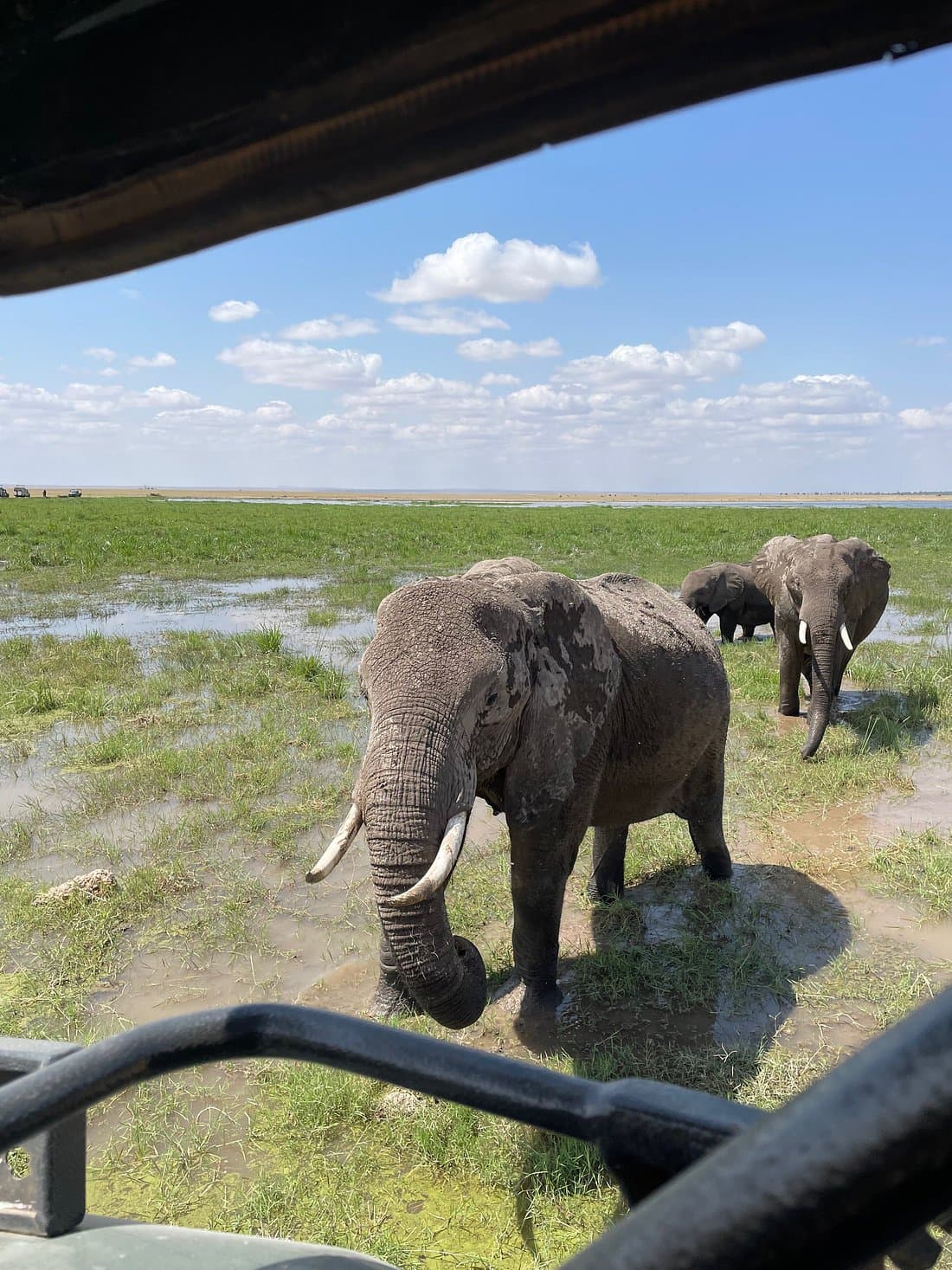
Amboseli National Park is one of the most reliably excellent wildlife destinations in Africa. Unlike the Masai Mara, where peak season is tightly defined by the Great Migration, Amboseli's main attraction — Africa's most impressive elephant herds — is present year-round. The question is not whether to go, but when to go to get the most from the visit.
Peak dry season: June–October
The long dry season from June to October is Amboseli's busiest and most expensive window — and for good reason. Vegetation thins, animals concentrate around water sources, and predator activity increases as prey becomes more visible. Mount Kilimanjaro is often clear in the early morning before cloud builds around the summit, giving the iconic framing of elephants against Africa's highest peak that makes Amboseli so distinctive. This is the best all-round time to visit if budget is not the primary concern.
Secondary dry season: January–February
January and February form a shorter dry window between the two wet seasons. Kilimanjaro is often clear on early mornings, elephant herds are large and active, and visitor numbers are meaningfully lower than the June–October peak. This is a good alternative for travellers who want quality wildlife without the highest prices or crowds.
The wet seasons: March–May and November–December
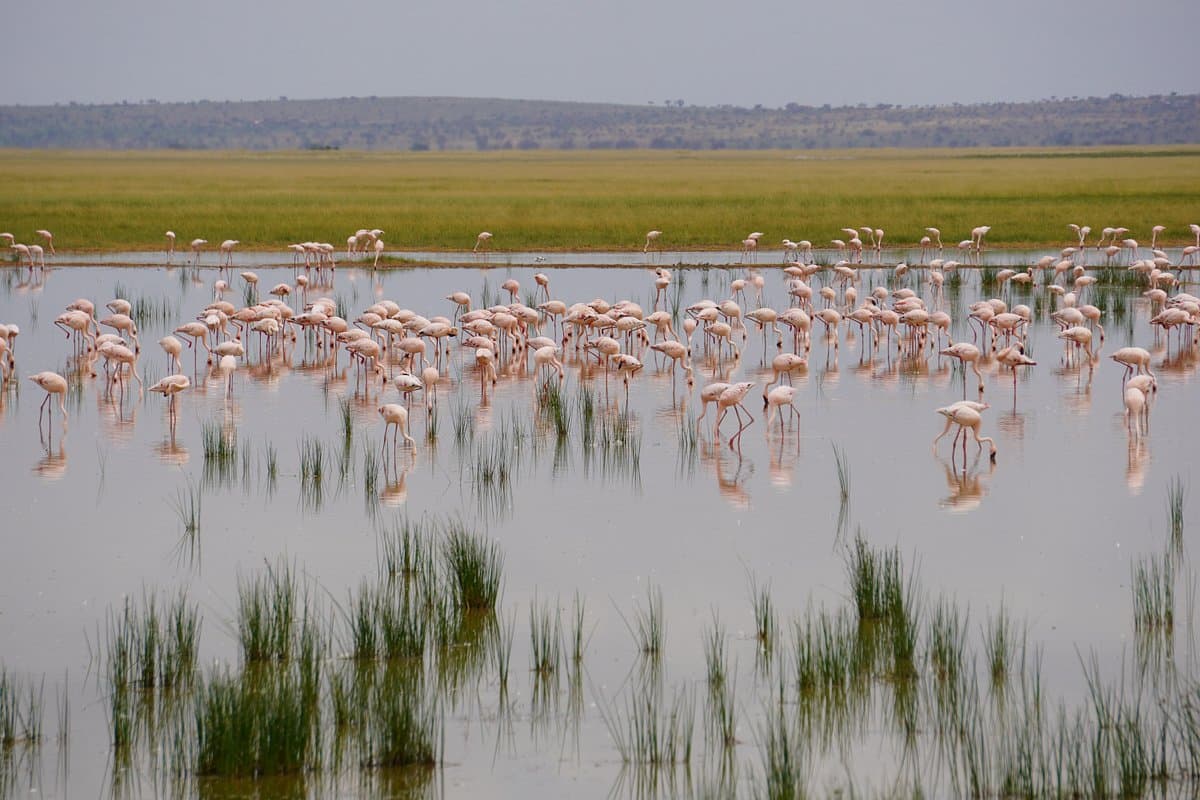
The long rains run from March through May and the short rains from November through early December. During both periods the park turns green and lush, bird diversity peaks, and prices drop considerably. Kilimanjaro tends to be cloud-covered for much of the day, affecting photography. Some tracks become muddy after heavy rain. However, the park is significantly quieter — fewer vehicles, a more contemplative experience overall, and elephants who are well-fed and highly active.
The elephants of Amboseli are extraordinary in every season. If you want them against Kilimanjaro, choose dry-season mornings and set an early alarm.
Month-by-month summary
- January–February: Dry, Kilimanjaro visible, excellent photography, moderate crowds and prices.
- March–May: Long rains, lush landscape, lowest prices, Kilimanjaro often obscured.
- June–October: Peak dry season, best Kilimanjaro views, highest prices and visitor numbers.
- November–December: Short rains, green landscape, fewer tourists, Kilimanjaro variable.
Amboseli is a 4-hour drive or 45-minute flight from Nairobi, and it pairs naturally with the Masai Mara for a classic Kenya week. See the Kenya safaris →
Comments
Leave a reply
Your email address will not be published. Required fields are marked *. Please keep discussions respectful — see our community guidelines.