
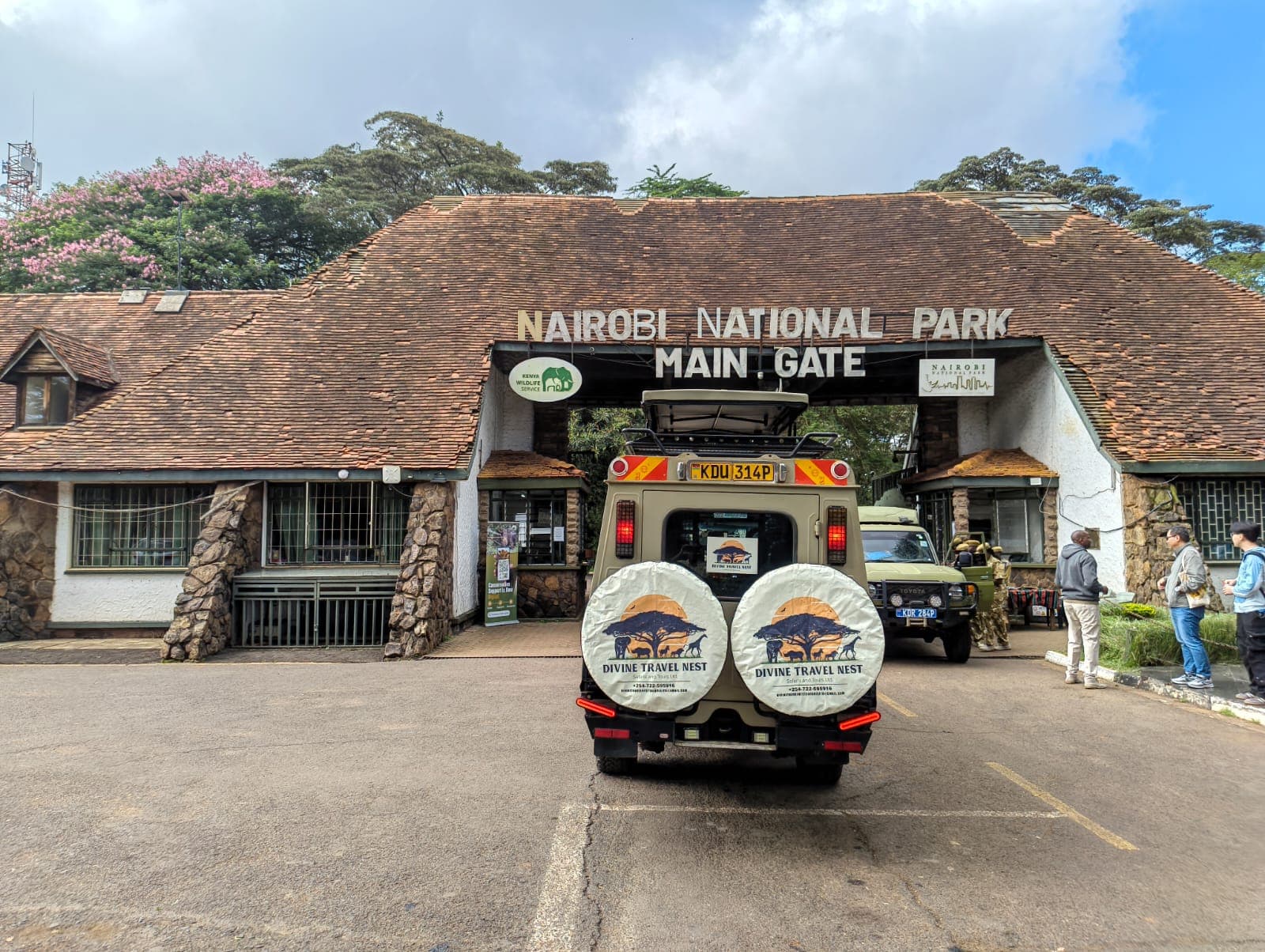

The choice between a group safari tour and a private safari changes almost everything about the experience — the pace, the flexibility, the social dynamic, the level of personalisation and, significantly, the cost. Neither format is categorically better; they suit different travellers in different circumstances. Here is how to think about it.
What a group tour looks like
A group safari typically means a shared vehicle (usually 4–7 passengers), a fixed itinerary and fixed departure dates, set mealtimes and group activities, and a per-person cost that is meaningfully lower than a private trip of equivalent quality. The group may be assembled from people who booked independently and are travelling alone, in pairs, or as families — a mix that can be either enriching or constraining depending on compatibility.
The best group safaris are run in small groups (4–6 people maximum), with experienced guides and flexible enough itineraries to respond to wildlife. The worst are large buses on rigid schedules with guides who have delivered the same commentary for fifteen years. There is enormous variation within the group category.
What a private safari looks like
A private safari means a vehicle allocated exclusively to your party, an itinerary built for you specifically, and the freedom to adjust timing, routing and priorities in real time based on what you find or what you want. You can stay at a sighting for as long as the light holds and you want to be there. You can leave a disappointing area and try another route. Your guide's sole professional attention is on your experience.
Private does not mean luxury. A private safari can be run in a mid-range Land Cruiser staying in modest lodges. What private means is that the vehicle and the guide belong only to you.
The key differences in practice
Pace
In a group vehicle, the pace is a compromise. If one passenger wants to leave a hippo pool after five minutes and another wants to stay for an hour, someone is unhappy. In a private vehicle, you decide. For photographers who work slowly and for families with young children who need to leave when they need to leave, the pace question alone justifies the private premium.
Timing flexibility
Group tours run on fixed schedules: breakfast at 7, drive from 7:30, back by noon. Private safaris flex around what you find. If a leopard appears at 11:45 with a kill in a tree, a private guide stays until you are ready to leave. A group guide is back at camp for lunch at noon regardless.
Cost
A group trip for two people costs approximately 30–50% less per person than a private equivalent. For a couple on a budget-to-mid-range trip, that difference can be several thousand dollars — meaningful money. For a family of four or five, the cost-per-person differential narrows considerably, and a private vehicle for a family of four is often only marginally more expensive than four spots on a group trip.
Social experience
Group tours bring random people together in close quarters for extended periods. This can be wonderful — some of the best travel stories begin with the strangers in the vehicle next to yours — and it can be difficult. If the group chemistry is poor, the trip suffers. On a private safari, you control entirely who you spend the experience with.
The right format is the one that matches your travel personality. A sociable solo traveller on a tight budget often prefers a group. A couple celebrating something, or a family, almost always benefits from going private.
Our recommendation by traveller type
- Solo traveller on a budget → group tour, choose carefully
- Couple or friends → private, the cost difference is manageable and the flexibility is significant
- Family with children → private, non-negotiable for the flexibility this requires
- Photographer → private, always; timing and vehicle positioning are too important to share
- First safari, open to socialising → group tour is a legitimate introduction
We run both formats. If you are undecided, we are happy to help you think it through. Tell us about your group →

Comments
Leave a reply
Your email address will not be published. Required fields are marked *. Please keep discussions respectful — see our community guidelines.