
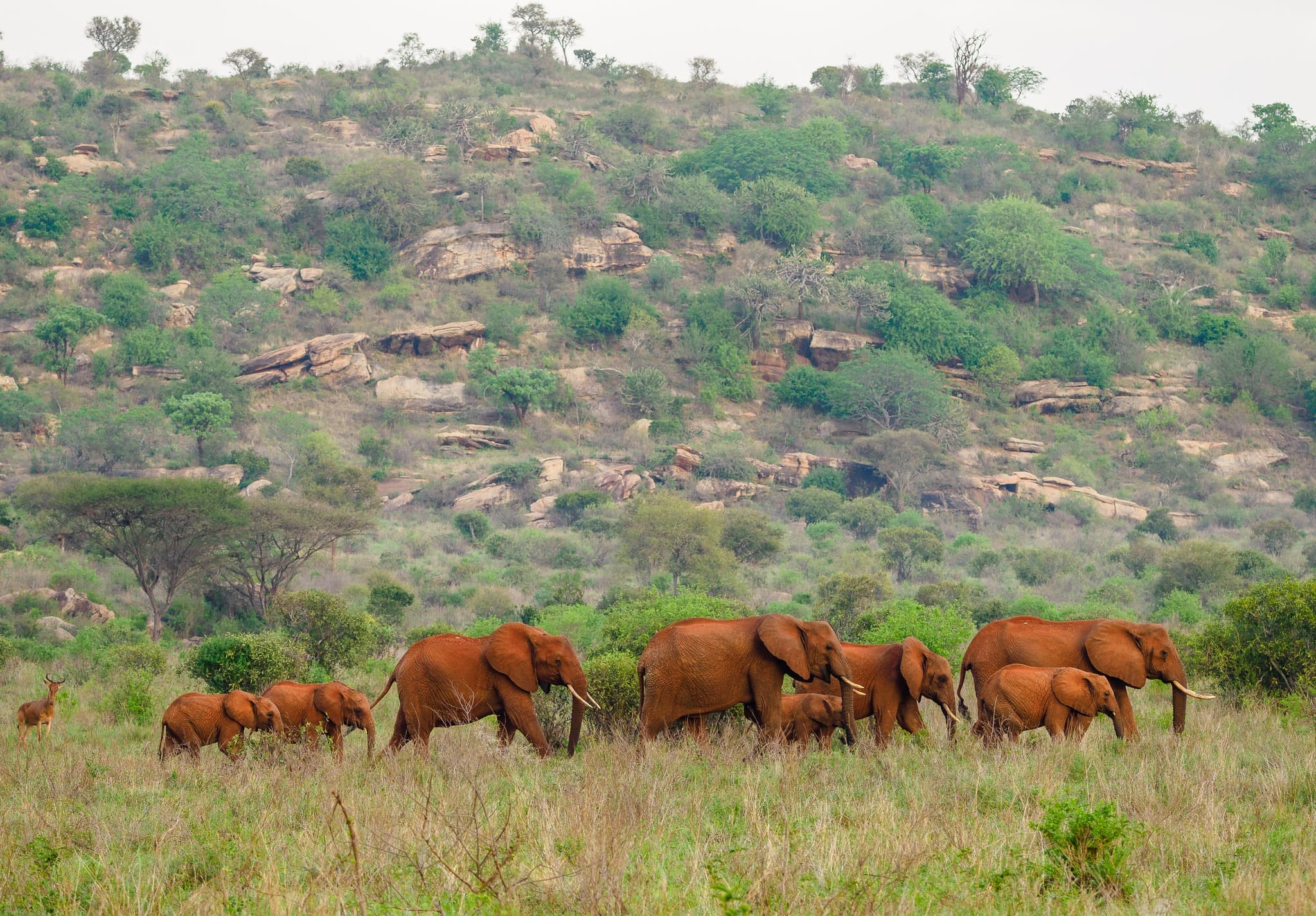

The Serengeti is over 14,000 square kilometres of open savannah, woodland and riverine forest. It is not a park you see in a day, or even two. How many days you need depends on where the migration is, which part of the ecosystem you want to explore, and whether you are flying or driving between camps.
The minimum: 3 nights
Three nights in the Serengeti gives you six game drives — enough for a thorough introduction to the central Seronera area, which offers the most consistent year-round wildlife. You will see lions, elephants, giraffes, hippos and a wide range of plains game. You will not see the full scale of the ecosystem, and if migration timing is off, you may miss the herds. But three nights is a legitimate visit, not just a transit.
The sweet spot: 4–5 nights
Four to five nights allows you to base yourself in two different areas — the central Seronera combined with either the northern Mara River zone (July–October) or the southern Ndutu plains (January–March). This lets you follow the migration's position and experience meaningfully different landscapes within the same park. For most travellers visiting for the first time, five nights in the Serengeti is the recommendation.
For serious wildlife or photographers: 7+ nights
A week or more in the Serengeti begins to reveal the rhythms of the ecosystem. You build relationships with specific prides, return to sightings over multiple mornings, and let the unhurried pace the park rewards reveal itself. Extended stays suit photographers and returning travellers who want depth over breadth.
The Serengeti does not rush. The more time you give it, the more it shows you.
Does the migration change your calculation?
Yes, significantly. If you are timing your visit for the river crossings (July–October), add at least an extra night. Crossings are unpredictable — you may wait two days and see three crossings, or arrive on a day when the herds choose not to move. The extra time is not wasted; it is insurance and opportunity.
Flying vs driving
Flying between Serengeti camps (charter flights run between the northern, central and southern airstrips) allows you to cover far more of the ecosystem in the same number of days. Driving is cheaper and scenic, but the long distances mean more time in transit and less time watching animals. For a five-night trip, flying into and out of the Serengeti is almost always worth the extra cost.
We design Serengeti itineraries timed to the migration's actual position, not the average. See the Tanzania safari packages →
Comments
Leave a reply
Your email address will not be published. Required fields are marked *. Please keep discussions respectful — see our community guidelines.