
Kenya and Tanzania share one of the world's greatest wildlife ecosystems — the Serengeti-Mara, home to the Great Migration and the highest density of large mammals in Africa. They are natural partners on a multi-country circuit and neighbouring countries with porous borders. But they are also meaningfully different destinations, and the choice between them changes what kind of safari you have.
Wildlife
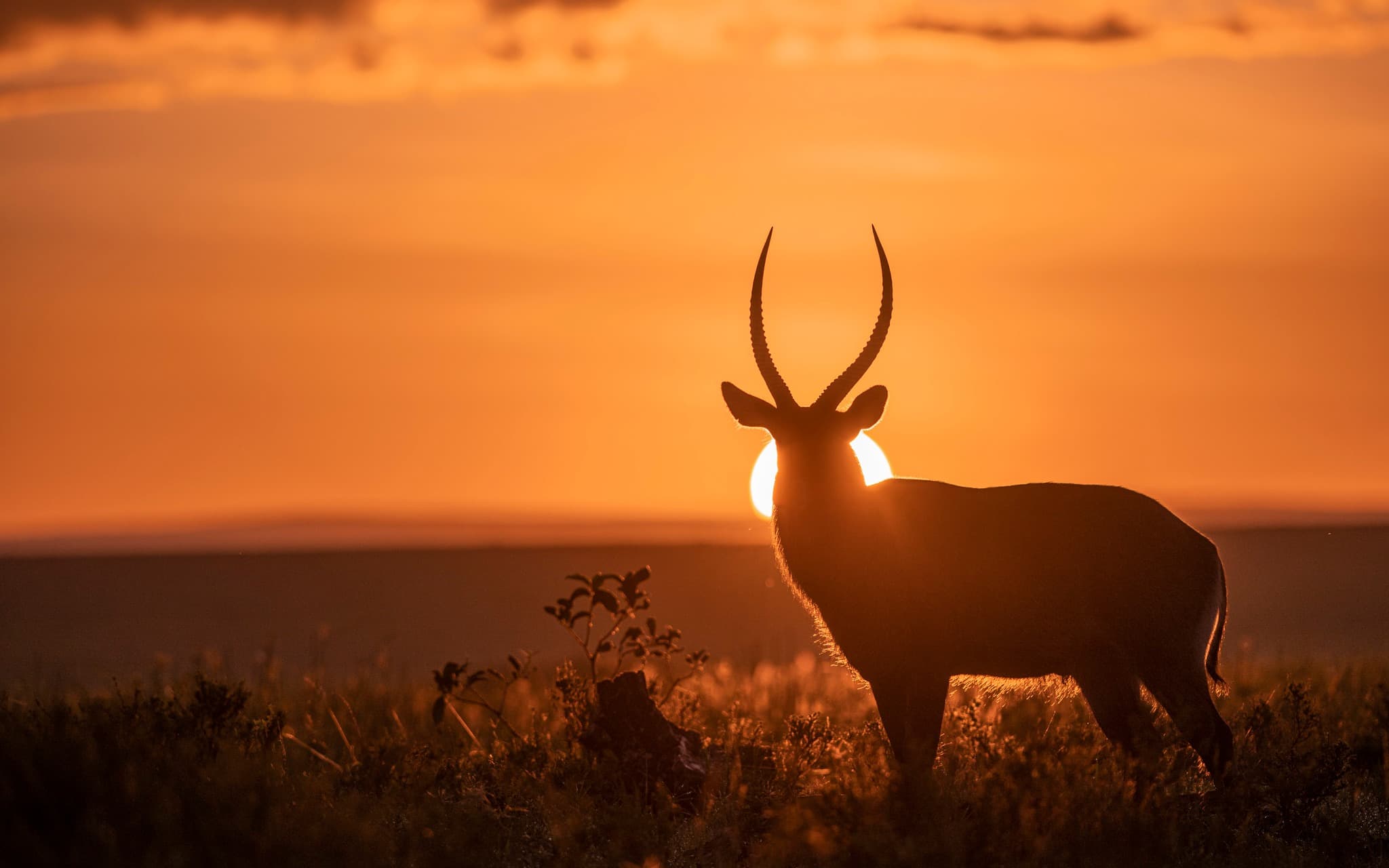
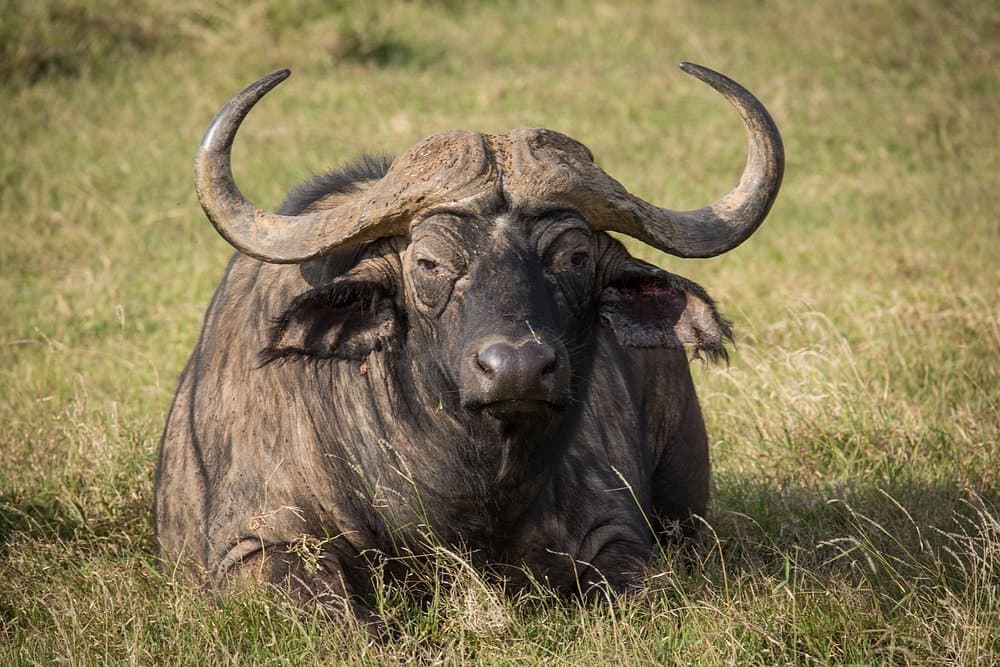
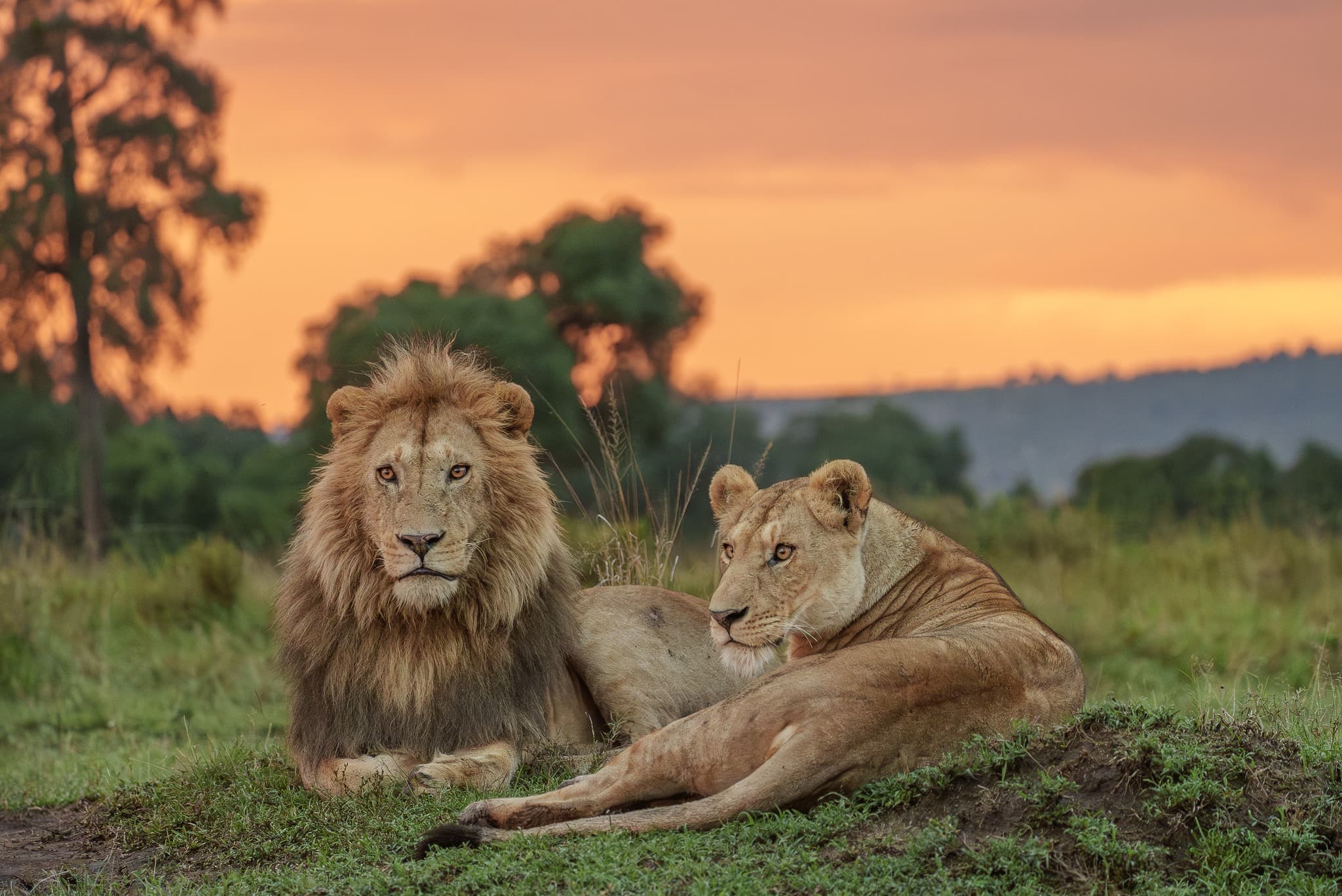
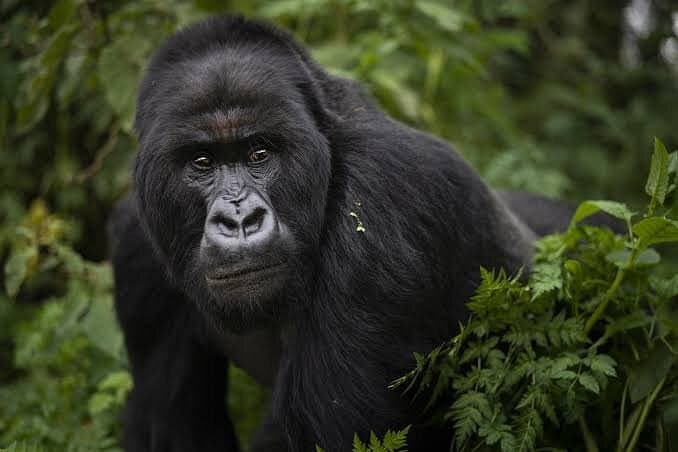
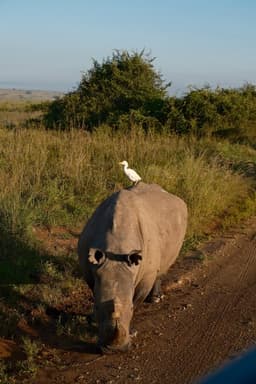
Both countries offer the Big Five. Both have the Great Migration for part of the year. The difference is in where the herds are and when. Kenya's Masai Mara holds the migration from July to October — the famous river crossings with Nile crocodiles. Tanzania's Serengeti holds the herds for the rest of the year: calving season in the south (January–February), the westward Grumeti crossings (May–June), and the period of relative quiet in the central Serengeti between movements. If you are chasing a specific migration event, the country you choose is determined by the calendar.
Beyond the migration, both countries have superb resident wildlife year-round. Kenya's Amboseli has the finest elephant photography in Africa. Tanzania's Ngorongoro Crater has the highest wildlife density of any area its size on the continent. Samburu in Kenya has species — Grevy's zebra, reticulated giraffe, gerenuk — found nowhere in Tanzania.
Cost
Tanzania is generally more expensive than Kenya. National park fees in Tanzania are among the highest in Africa — the Serengeti fees alone add significant cost to each day's game drive. Accommodation, in comparable categories, tends to run slightly higher in Tanzania as well. The southern parks (Ruaha, Selous/Nyerere) are logistically complex and require charter flights, adding further cost. Kenya offers more value at every tier, particularly in the budget and mid-range categories.
Landscape and variety
Kenya is more varied in a compact space. Within a week you can move from the open plains of the Mara to the elephant marshes of Amboseli, the flamingo lakes of Nakuru and the arid north of Samburu — each a distinct ecosystem. Tanzania's Serengeti is larger and more singular in character, though the addition of Ngorongoro, Tarangire and Zanzibar gives a complete trip considerable range.
Infrastructure and accessibility
Kenya is generally easier to navigate. Nairobi is East Africa's main aviation hub with direct connections from Europe and North America. Road infrastructure is better developed and domestic flights to the major parks are well-established. Tanzania requires slightly more planning, particularly for the southern circuit, but the logistics are well-established for visitors using an operator.
The honest answer is that Kenya and Tanzania are better together than either is alone. A week split between the Mara and the Serengeti is the most complete safari experience in the world.
How to choose
- For a first safari on a moderate budget → Kenya
- For the full migration circuit including calving → Tanzania + Kenya
- For the most spectacular single-country experience → Tanzania (Serengeti + Ngorongoro + Zanzibar)
- For value and variety → Kenya
- For the definitive East Africa experience → both countries in one trip
We design Kenya, Tanzania and combination safaris at every budget. See the cross-country packages →
Comments
Leave a reply
Your email address will not be published. Required fields are marked *. Please keep discussions respectful — see our community guidelines.